
The financial landscape for solar energy has shifted dramatically in 2025. With utility rates climbing nationwide and battery technology becoming more accessible, homeowners face a critical decision: invest in solar panels alone or add battery storage to the mix.
This decision directly impacts your wallet both upfront and over the long term. Understanding the true costs and benefits of each approach helps you make the right choice for your specific situation.
Solar-Only Systems: The Straightforward Path
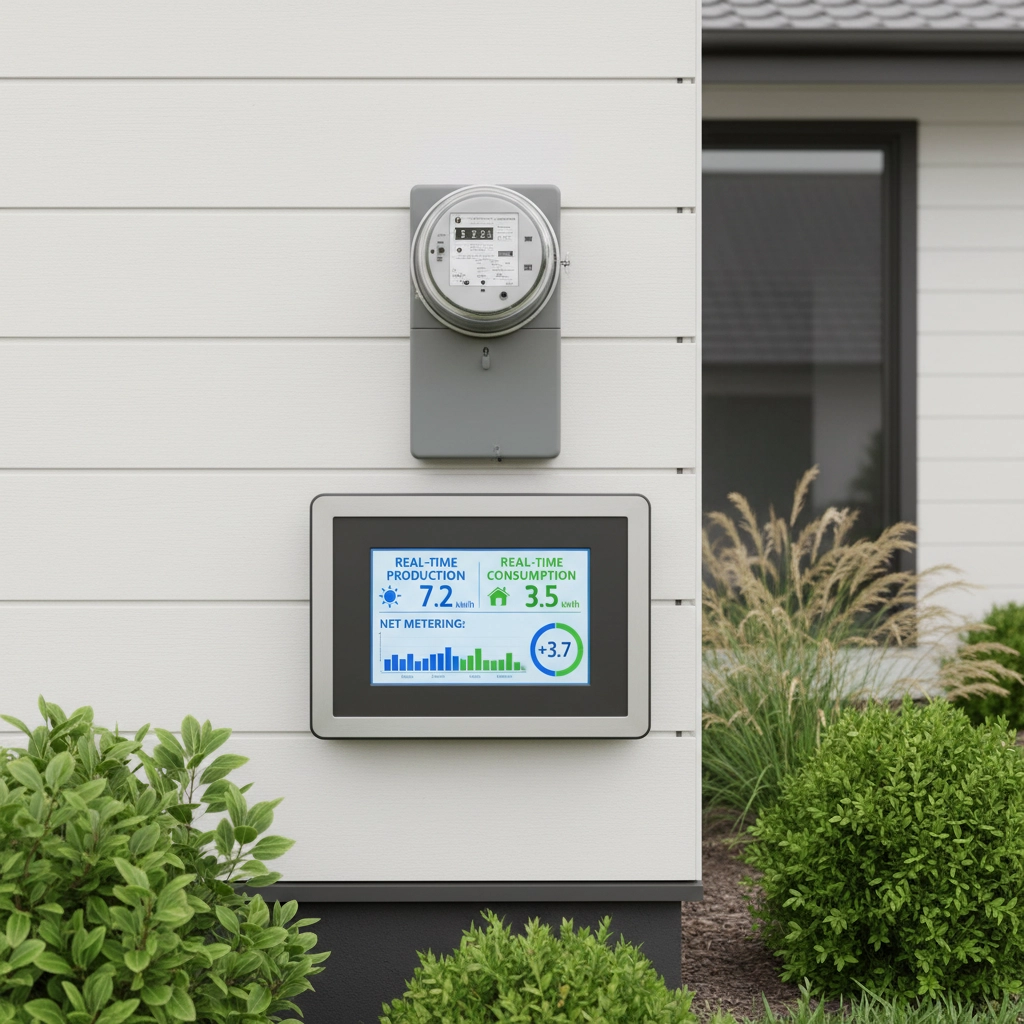
Solar-only installations represent the most direct route into renewable energy. These systems generate electricity during daylight hours and send excess power back to the utility grid through net metering programs.
The primary advantage lies in lower upfront costs. Without battery storage adding $6,000 to $18,000 to your project, solar-only systems focus purely on panel and inverter expenses. This creates a shorter payback period and more predictable return on investment.
Solar-only systems work best when you have generous net metering policies that credit exported electricity at or near retail rates. If you work from home or consume substantial electricity during daylight hours, you directly use more generated power, eliminating storage needs and maximizing immediate savings.

However, solar-only systems have significant limitations. They provide zero backup power during outages: panels automatically shut down during blackouts for safety reasons. Additionally, time-of-use rate structures can erode savings when evening electricity consumption peaks while solar production drops to zero.
Solar Plus Battery Storage: The Complete Energy Solution
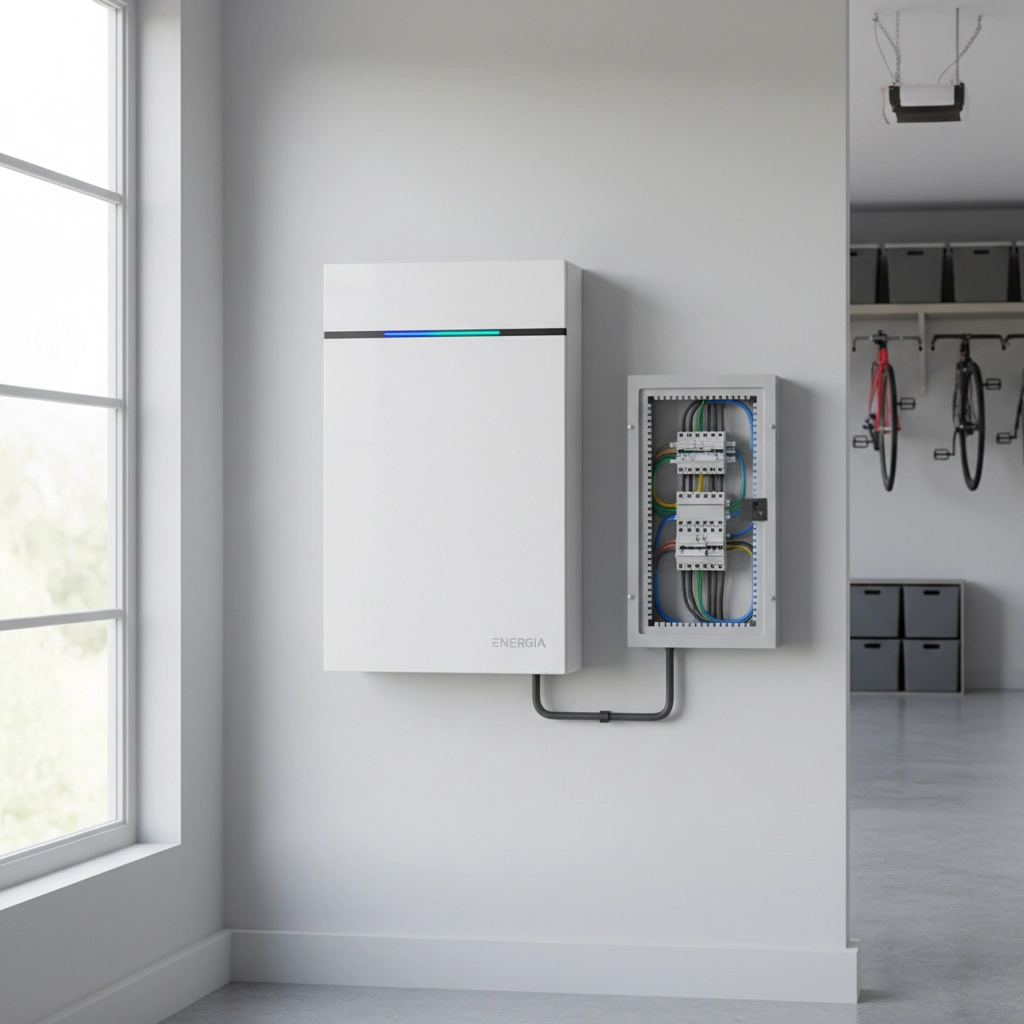
Adding battery storage transforms your solar installation into a 24-hour energy management system. Batteries capture excess daytime production and strategically discharge stored power to maximize savings and provide backup capability.
Battery systems enable time-of-use arbitrage by storing cheap midday solar power and deploying it during expensive evening peak hours. This capability proves particularly valuable under California's NEM 3.0 policy, where export rates fall significantly below import rates.
The backup power feature provides resilience during increasingly frequent grid outages. Unlike generators, batteries operate silently without fuel requirements, automatically switching to stored power when blackouts occur.
Research indicates approximately 60% of households can reduce electricity costs by 15% on average through solar-battery installations. This savings potential increases in markets with aggressive time-of-use pricing structures.
Breaking Down the Costs
Understanding the financial implications requires examining both upfront investments and long-term savings potential.
Solar-Only Investment
- Lower initial cost by $6,000-$18,000 compared to battery systems
- Typical payback period: 5-8 years
- Depends heavily on net metering policies for maximum value
- No protection against utility rate increases during non-production hours
Solar Plus Battery Investment
Battery storage typically costs around $1,300 per kWh before incentives, dropping to approximately $1,000 per kWh after applying the 30% federal tax credit. Common residential battery configurations include:
- 5 kWh system: $6,500 before credits, $5,000 after federal incentive
- 13.5 kWh system: $17,550 before credits, $13,500 after federal incentive
- 20 kWh system: $26,000 before credits, $20,000 after federal incentive
The federal tax credit remains available for systems installed by December 31, 2025, making timing a critical factor in your financial calculation.
When Each Option Makes Financial Sense
Choose Solar-Only If:
Your utility offers favorable net metering that credits exported electricity at full retail rates. You consume most electricity during daylight hours when panels produce power. Power outages rarely occur in your area. You need the shortest possible payback period due to budget constraints. Your utility lacks aggressive time-of-use rate structures.
Choose Solar Plus Battery If:
You follow traditional work schedules with peak evening electricity usage. Your utility implements time-of-use rates with significant price differentials between peak and off-peak periods. You live under California's NEM 3.0 or similar policies with poor export compensation. Frequent power outages affect your area. You value energy independence and backup power capability.
California utilities expect another 10-12% rate increase by late 2025, making batteries increasingly attractive as protection against unpredictable utility price escalation.
The Numbers Game: Direct Comparison
| Factor | Solar-Only | Solar + Battery |
|---|---|---|
| Upfront Investment | Lower by $6,000-$18,000 | Higher, reduced 30% by federal credit |
| Time-of-Use Savings | Limited to none | Significant through peak-hour arbitrage |
| Net Metering Dependency | Critical for economics | Less dependent on favorable rates |
| Backup Power | None available | Complete outage protection |
| Payback Timeline | 5-8 years typically | 10-15 years including batteries |
| Rate Hike Protection | Daylight hours only | Comprehensive coverage |
| Best Usage Pattern | Daytime consumption | Evening peak consumption |
The Hybrid Strategy
Consider installing solar now with battery-ready inverters, then adding storage later when prices decrease or finances improve. This approach captures immediate solar savings while preserving future storage options.
However, waiting means missing the opportunity to apply the federal tax credit to battery costs if you delay past the December 31, 2025 deadline.
Regional Considerations
Your location significantly impacts which option delivers better financial returns. States with strong net metering maintain solar-only viability, while regions implementing time-of-use rates or reducing net metering compensation favor battery integration.
California's shift to NEM 3.0 exemplifies how policy changes can alter the financial equation overnight. Export rates dropping to 75% below retail rates make battery storage nearly essential for maximizing solar investments.
Making Your Decision
Analyze your specific electricity usage patterns, local utility rates, and financial priorities. In markets with aggressive time-of-use pricing and poor net metering policies, batteries increasingly represent the more complete financial solution despite higher upfront costs.
For households with favorable net metering and significant daytime consumption, solar-only remains the most cost-effective path to meaningful electricity savings.
The "better" choice depends entirely on your unique situation. Calculate your expected savings under both scenarios, considering your usage patterns and local utility policies. Factor in the value you place on backup power and energy independence.
Remember that solar technology continues evolving rapidly. The decision you make today positions you for decades of energy savings, making thorough analysis essential for optimal financial outcomes.
Visit Know About Solar to explore detailed system configurations and get personalized recommendations for your specific needs.